Sustainable Architecture in Modern City Planning
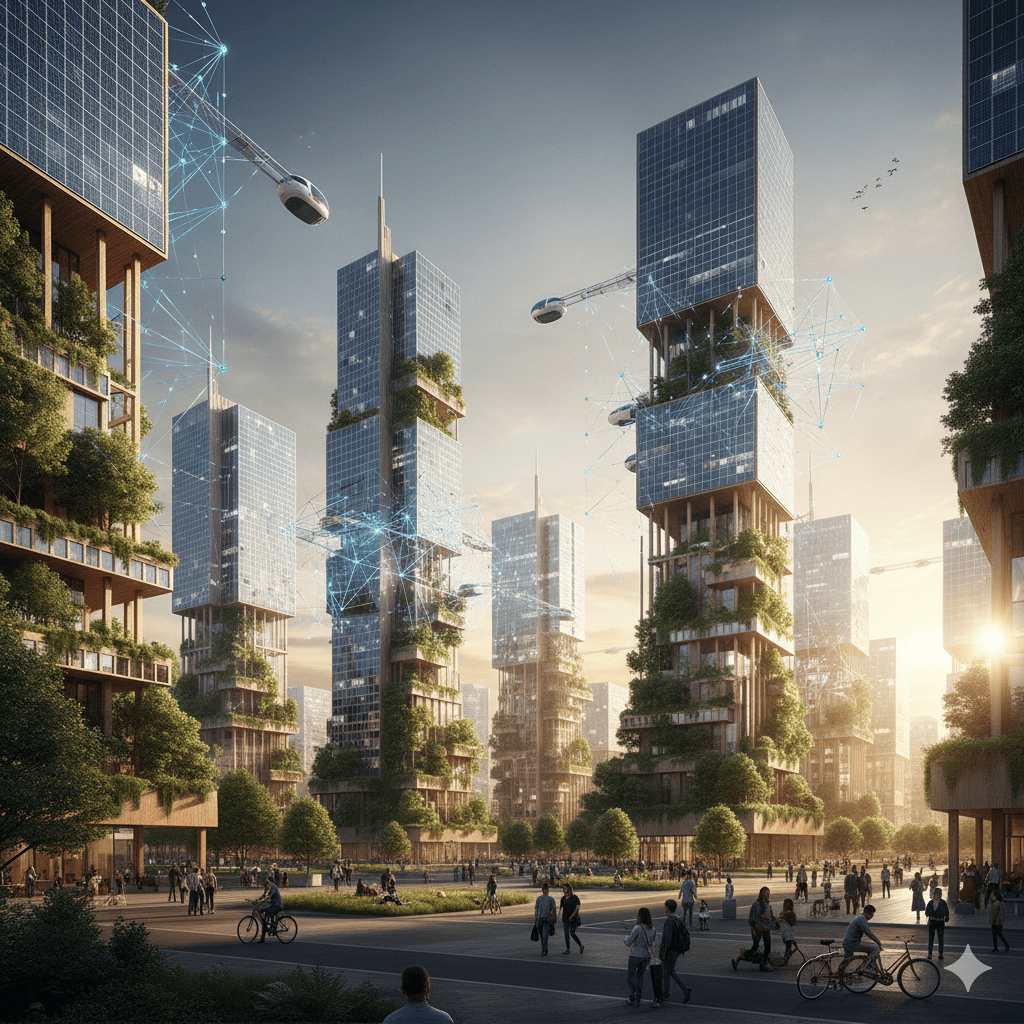
Modern city planning is undergoing a profound transformation, driven by the urgent need to address environmental challenges. Sustainable architecture has moved from a niche interest to a central principle, reshaping skylines with innovative building designs that seamlessly integrate green technologies. This evolution represents a fundamental shift from viewing buildings as isolated structures to seeing them as active, integrated components of a larger urban ecosystem.
The Philosophy of Regenerative Design
At the heart of sustainable architecture lies the concept of regenerative design. This approach goes beyond simply minimizing environmental damage; it aims for buildings to have a positive, restorative impact. Architects and planners now envision structures that generate their own energy, capture and recycle water, improve air quality, and enhance biodiversity. This philosophy transforms buildings from consumers of resources into contributors to urban health and resilience, creating a symbiotic relationship between the built environment and the natural world.
Key Innovations Reshaping Urban Landscapes
Several key innovations are making this vision a reality. The integration of renewable energy sources, particularly through building-integrated photovoltaics (BIPV) where solar cells are embedded into facades and roofs, turns entire structures into power plants. Smart building management systems use sensors and AI to optimize energy consumption for heating, cooling, and lighting in real-time. Furthermore, the use of sustainable materials like cross-laminated timber (CLT) reduces the carbon footprint associated with traditional concrete and steel, while biophilic design principles incorporate natural elements to improve occupant well-being.
Water Management and Urban Greening
Sustainable architecture critically rethinks the urban water cycle. Buildings are now designed with systems for rainwater harvesting, greywater recycling, and green roofs. These features not only reduce the demand on municipal water supplies but also mitigate urban flooding by managing stormwater at its source. The proliferation of green roofs and vertical gardens does more than provide aesthetic appeal; they combat the urban heat island effect, provide insulation, and create vital habitats for urban wildlife, weaving nature back into the concrete fabric of the city.
Shaping the Future of Urban Living
The impact of sustainable architecture extends far beyond the individual building. As these structures become more common, they are collectively shaping smarter, healthier, and more livable cities. They set new standards for resource efficiency and demonstrate that urban development does not have to come at the expense of the environment. By prioritizing green technologies and holistic design, modern city planning is creating a new legacy—one where skylines are not just symbols of economic power, but testaments to a commitment to a sustainable and resilient future for all urban dwellers.
Other articles
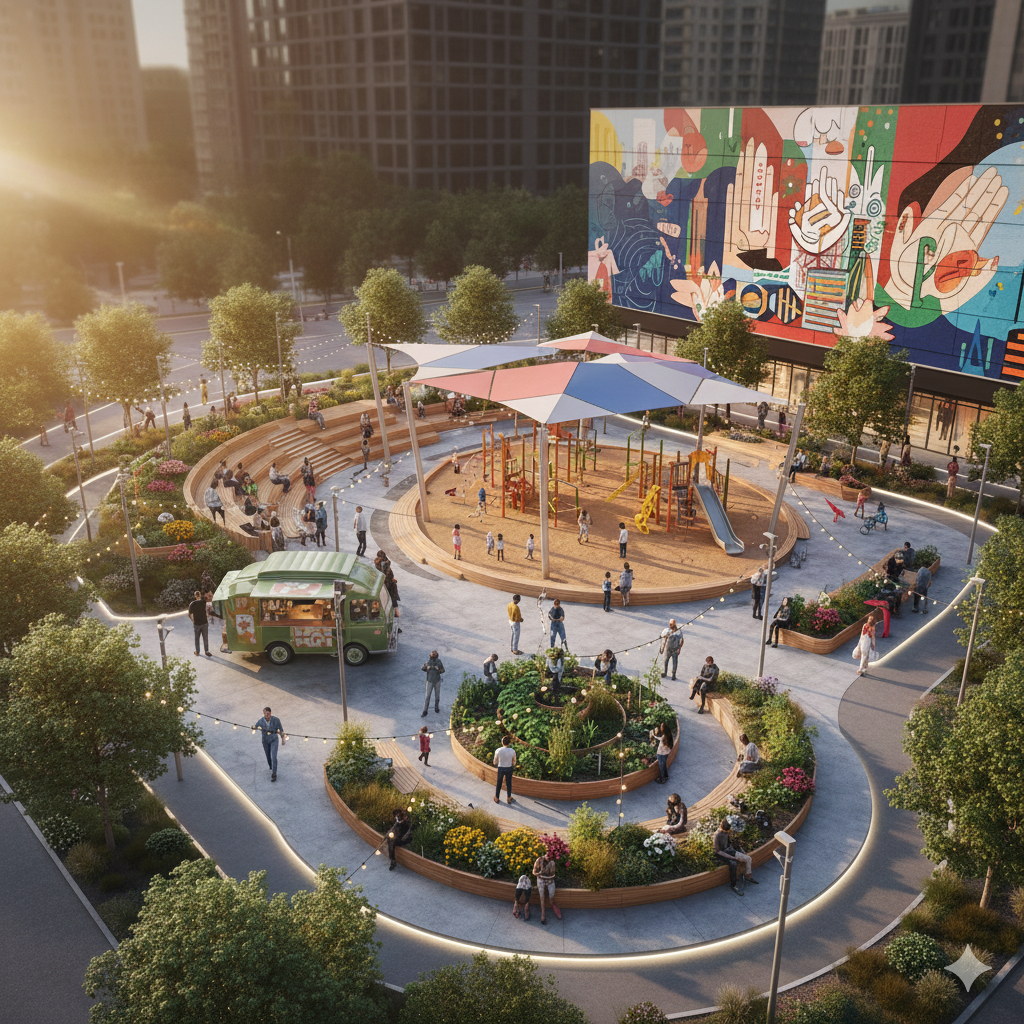
Reimagining Public Spaces for Community Connection
Cities worldwide are transforming underutilized areas into vibrant community hubs that foster social interaction and neighborhood identity.
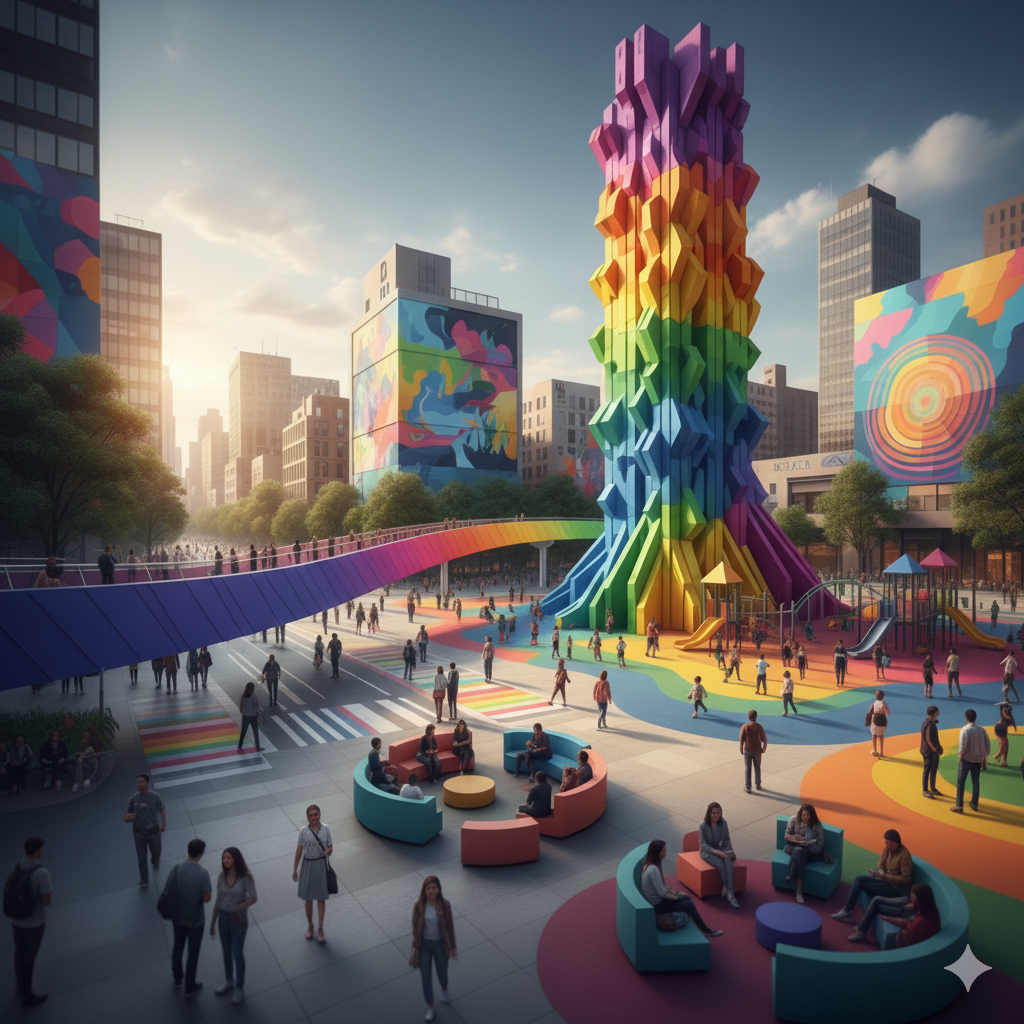
The Psychology of Color in Urban Environments
How strategic use of color in public art and infrastructure influences mood and behavior in our daily urban experiences.
Contact
Get in touch with Urban Lens. We'd love to hear from you about urban design, city planning, and urban lifestyle topics.