The Psychology of Color in Urban Environments
Our cities are far more than just concrete jungles; they are vibrant, living entities painted with a vast palette of colors. From the calming blue of a new public bench to the energizing yellow of a pedestrian crossing, the strategic use of color in public art and infrastructure is a powerful, yet often subconscious, tool that profoundly influences our mood, behavior, and overall daily urban experience. Understanding this chromatic influence allows city planners and designers to craft environments that are not only aesthetically pleasing but also psychologically supportive.
More Than Just Decoration: Color as a Functional Tool
Color psychology moves beyond mere decoration, serving critical functional roles in the urban landscape. Specific hues are employed to guide, warn, and organize city life. The universal use of red in stop signs and warning signals capitalizes on its association with danger and urgency, triggering an immediate instinct to halt. Conversely, green signals 'go' or safety, a connection deeply rooted in nature. Bright, high-visibility yellow and orange are used for construction zones and crosswalks, demanding attention and promoting caution. This strategic application reduces accidents and creates an intuitive, navigable environment for pedestrians and drivers alike, making the city safer and more efficient.
Influencing Mood and Social Behavior
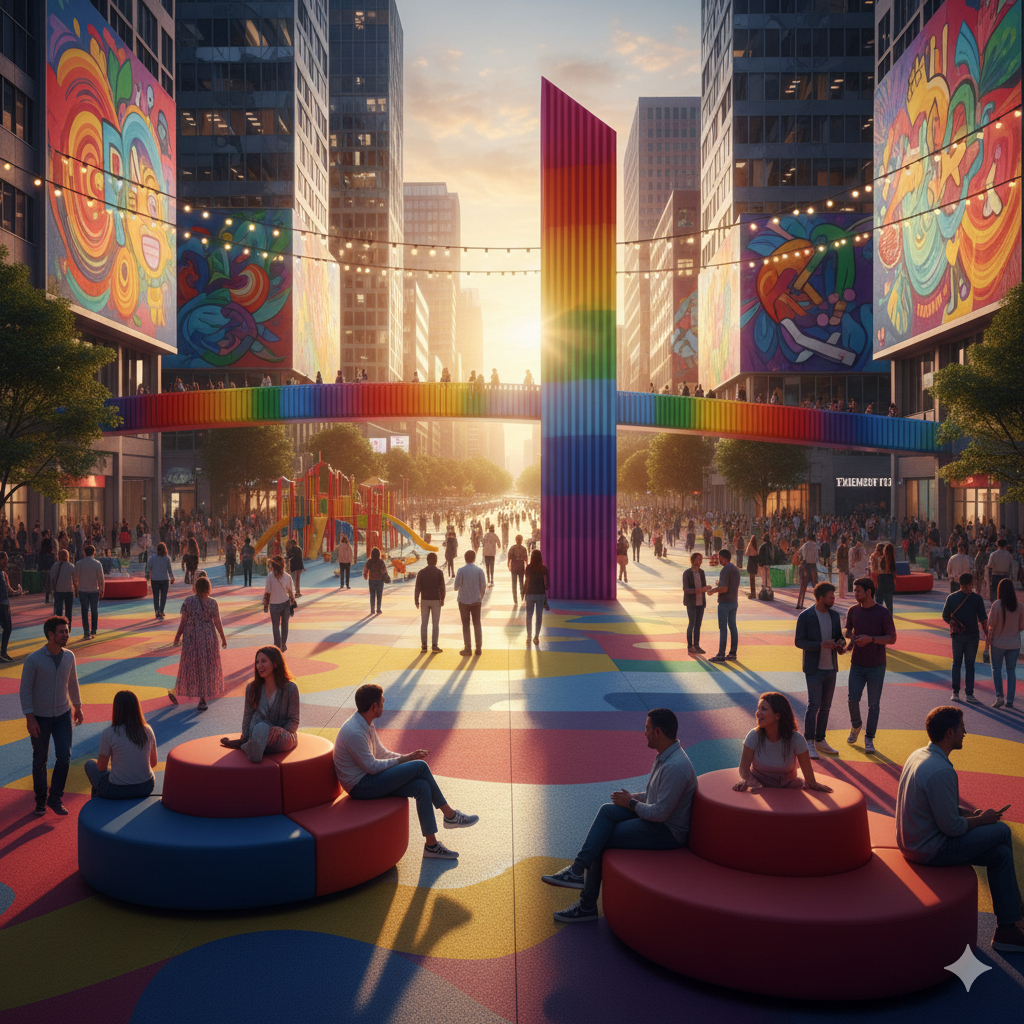
The colors that surround us in public spaces have a direct impact on our emotional state and social interactions. Drab, grey, and monotonous environments, often associated with neglected areas, can contribute to feelings of sadness, anonymity, and even social withdrawal. In contrast, introducing vibrant and warm colors through murals, painted facades, or colorful street furniture can be transformative. A once-forgotten underpass becomes a destination with a large, joyful mural. Cool tones like blues and greens, known for their calming effects, are ideal for parks, hospital zones, and spaces intended for relaxation, helping to lower stress levels in the bustling city heart.
The Rise of Tactical Urbanism and Placemaking
The strategic use of color is a cornerstone of tactical urbanism—a low-cost, high-impact approach to improving cities. A simple intervention like painting a bicycle lane a bright, dedicated color not only increases cyclist safety but also actively promotes sustainable transport. Coloring a pedestrian plaza or a series of parklets with lively patterns can reclaim space from cars, encouraging people to linger, socialize, and engage with their community. This process, known as placemaking, uses color as a key ingredient to create a unique sense of identity for a neighborhood, fostering civic pride and turning anonymous spaces into cherished places.
A Conscious Palette for Future Cities
As we look toward the future of urban design, the conscious application of color psychology will become increasingly important. It is a democratic and relatively low-cost tool with the potential to significantly enhance the quality of urban life. By moving away from monochrome austerity and embracing a thoughtful, human-centric color palette, we can design cities that do more than just function—we can create environments that inspire, calm, connect, and energize their inhabitants, painting a brighter, more psychologically attuned future for all.
Other articles
Reimagining Public Spaces for Community Connection
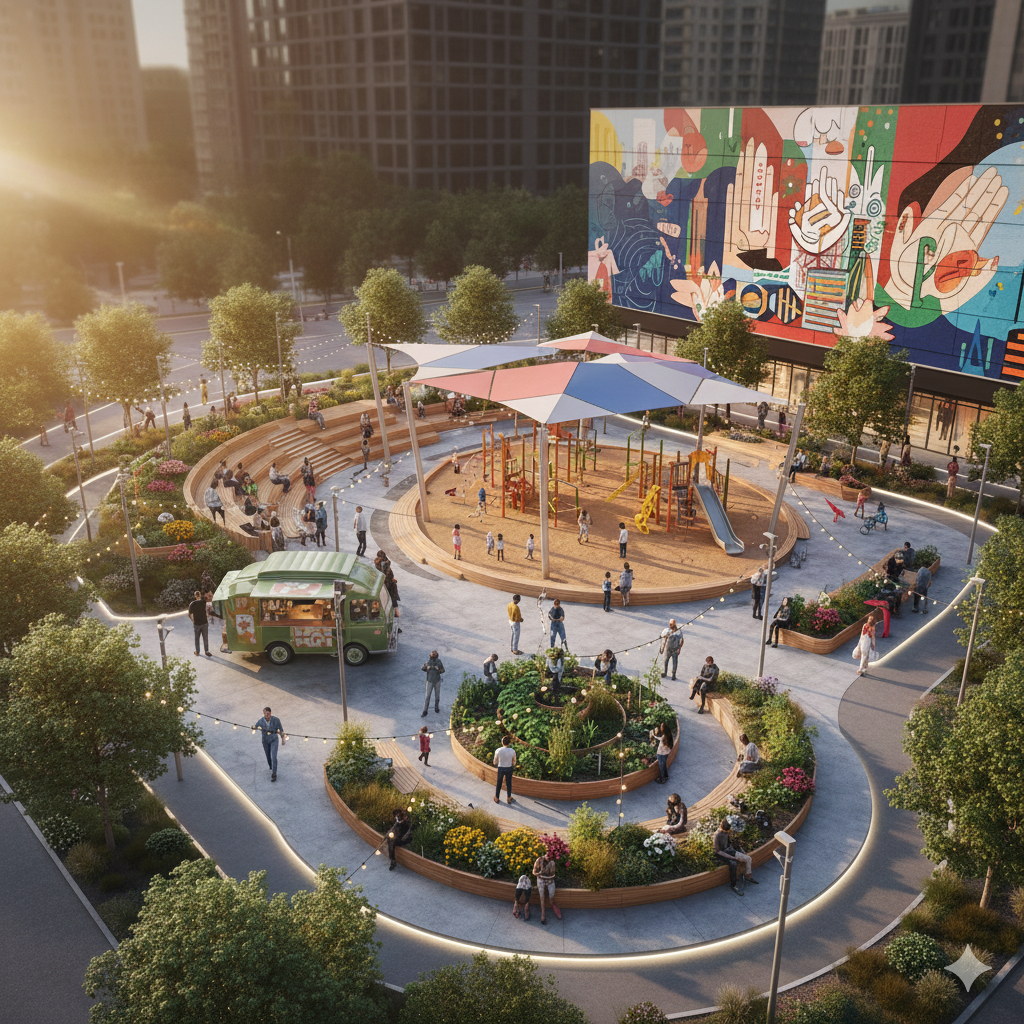
Cities worldwide are transforming underutilized areas into vibrant community hubs that foster social interaction and neighborhood identity.
Sustainable Architecture in Modern City Planning
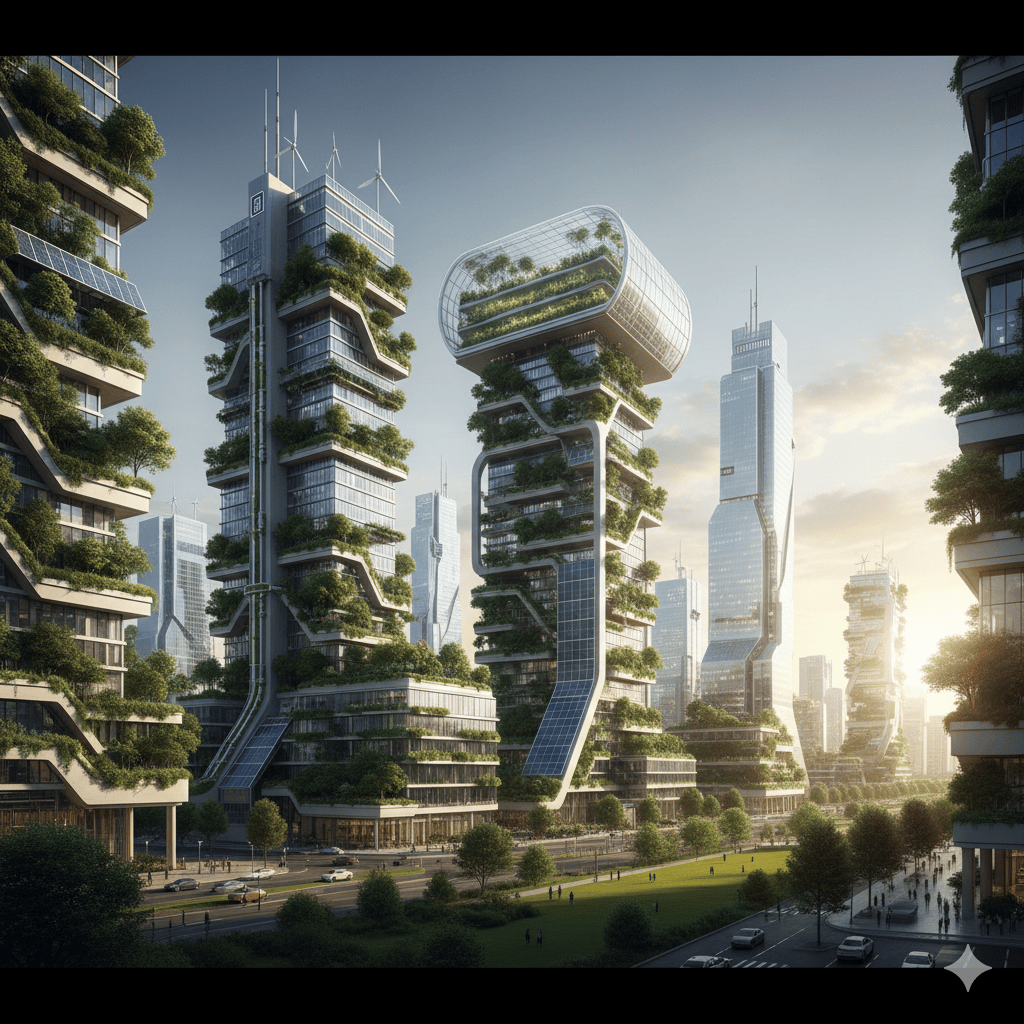
Innovative building designs incorporating green technologies are reshaping skylines while addressing environmental challenges.
Contact
Get in touch with Urban Lens. We'd love to hear from you about urban design, city planning, and urban lifestyle topics.