Reimagining Public Spaces for Community Connection
In an era marked by digital saturation and urban anonymity, cities across the globe are embarking on a quiet revolution. They are transforming forgotten, underutilized areas into vibrant, pulsating community hubs. This movement goes beyond mere beautification; it is a fundamental rethinking of how public space can foster genuine social interaction, strengthen neighborhood identity, and cultivate a profound sense of belonging among residents.
From Concrete Jungles to Social Hearts
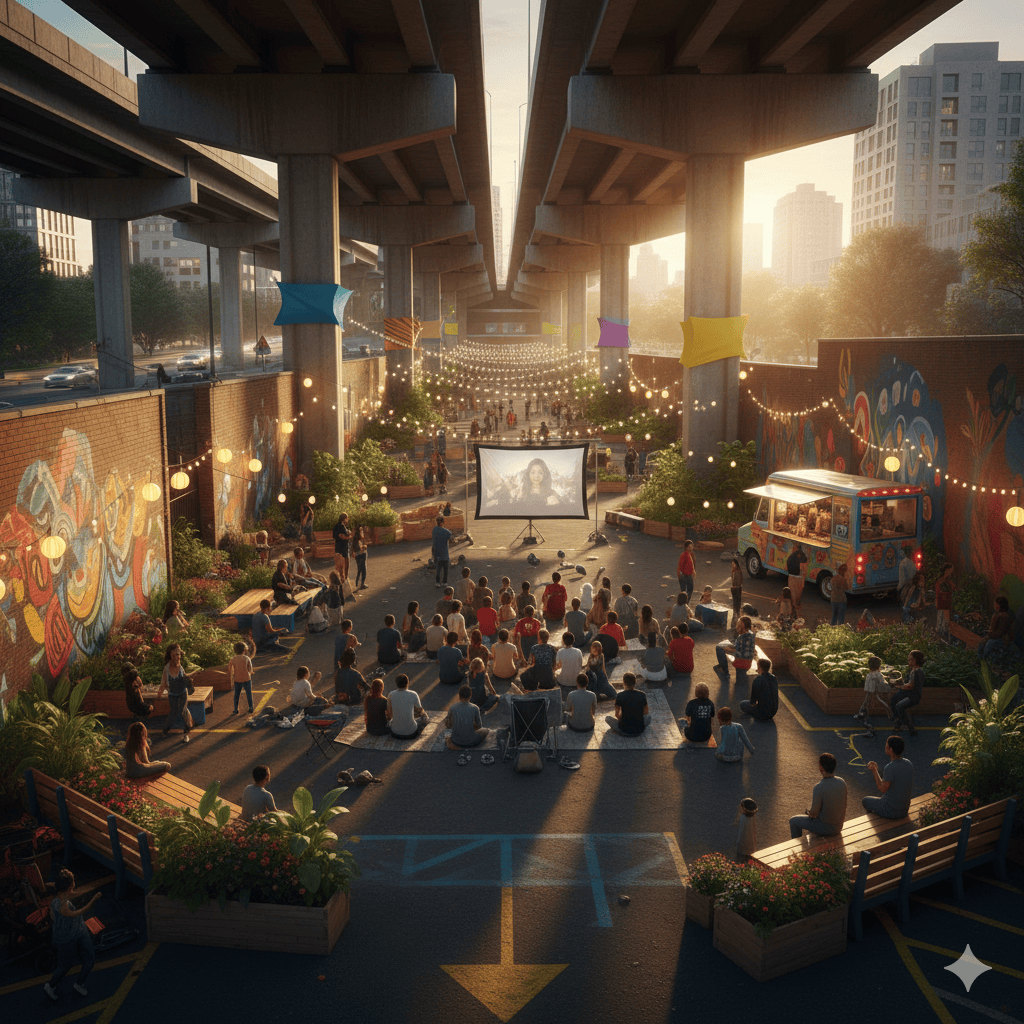
The typical candidates for this transformation are the overlooked parts of our urban fabric: derelict lots beneath highway overpasses, neglected alleyways, and wide, impersonal expanses of asphalt. The goal is to reclaim these spaces from cars and decay, turning them into destinations for people. This is achieved through tactical urbanism—a approach that uses low-cost, temporary, and often community-driven interventions to test new ideas for public spaces. A parking lot can become a pop-up park with benches and planters for a day. A vacant lot can be temporarily activated as an open-air cinema or a community garden.
The Tools of Transformation
The magic of this urban renaissance lies in its tangible elements. Cities and community groups are introducing flexible and modular street furniture that allows people to configure their own social environments. Lively pavement art and strategic lighting make once-avoided alleyways feel safe and inviting. The integration of food, through food truck plazas or seasonal farmers' markets, provides a natural gathering point, stimulating conversation and economic activity. Crucially, these projects often feature extensive community input, ensuring the final design reflects the unique character and needs of the neighborhood, making it a true reflection of local identity.
The Ripple Effects of Reconnection
The impact of these revitalized spaces extends far beyond their physical boundaries. By creating attractive, accessible, and comfortable third places—neither home nor work—they encourage spontaneous encounters among diverse members of the community. This reduces social isolation and builds a stronger, more resilient social fabric where people look out for one another. Furthermore, these hubs often become platforms for local culture, hosting everything from impromptu music performances to artisan markets, celebrating and reinforcing the unique spirit of the place.
A Blueprint for the Future City
The global shift towards reimagining public spaces signals a broader change in urban priorities. It underscores a move away from cities designed solely for efficiency and traffic flow toward those designed for human connection and well-being. These vibrant community hubs are not just pleasant amenities; they are essential infrastructure for building social capital. They demonstrate that by thoughtfully reshaping our shared environments, we can cultivate a greater sense of community, turning a collection of houses into a true neighborhood and a city of strangers into a connected, thriving society.
Other articles
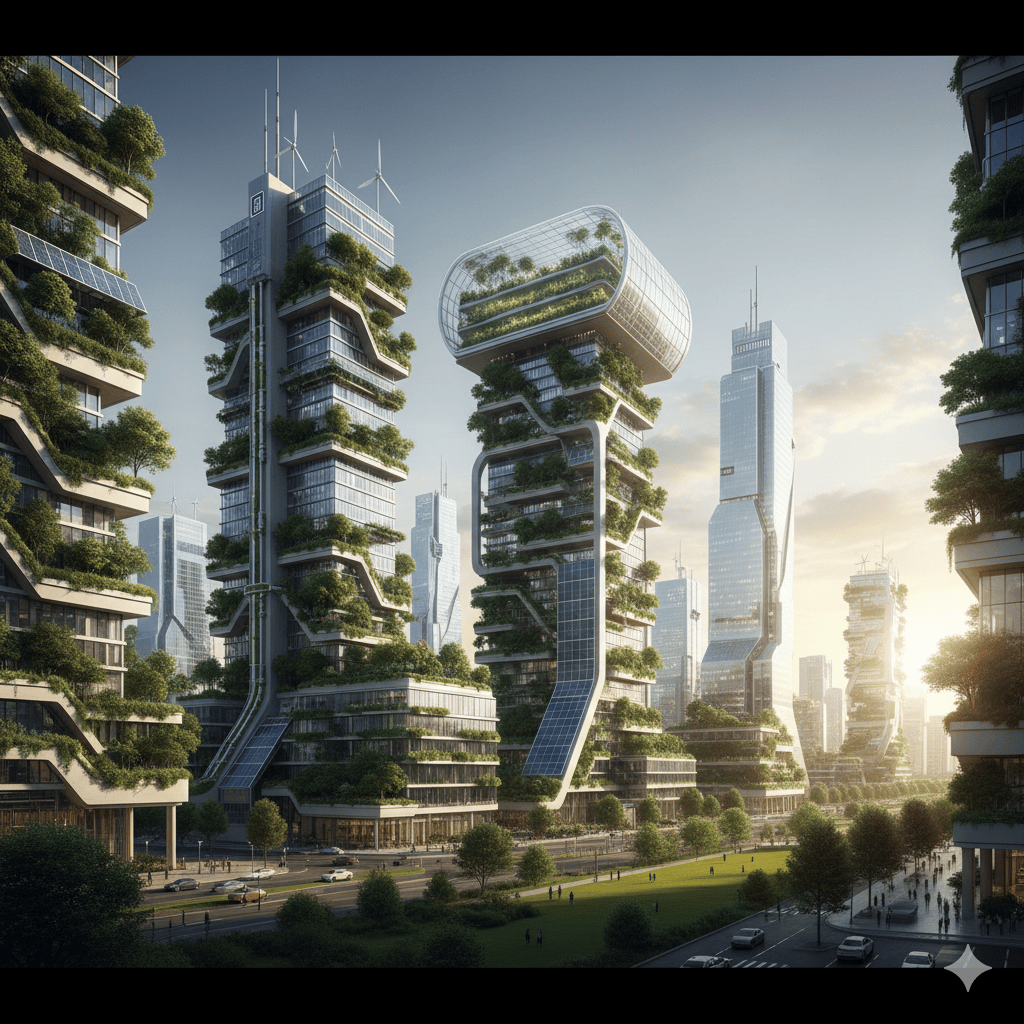
Sustainable Architecture in Modern City Planning
Innovative building designs incorporating green technologies are reshaping skylines while addressing environmental challenges.
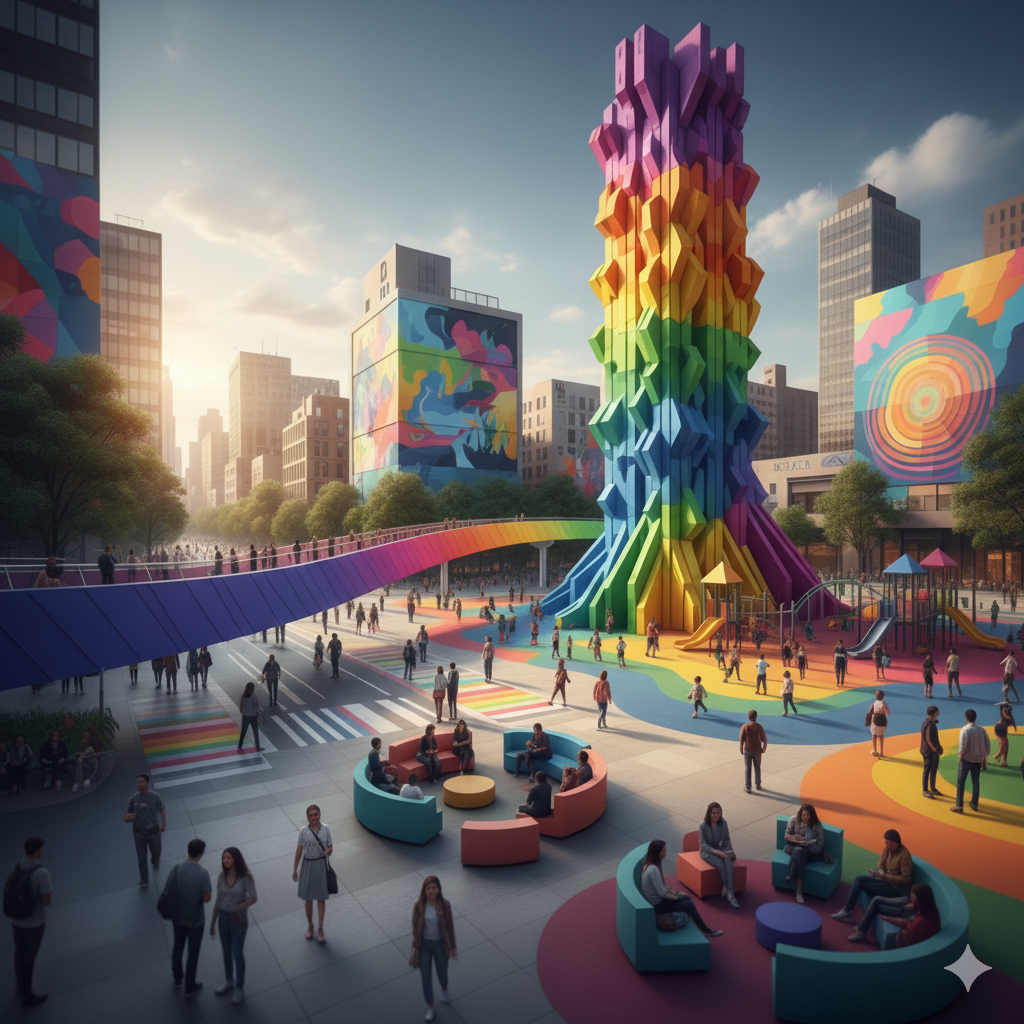
The Psychology of Color in Urban Environments
How strategic use of color in public art and infrastructure influences mood and behavior in our daily urban experiences.
Contact
Get in touch with Urban Lens. We'd love to hear from you about urban design, city planning, and urban lifestyle topics.