From Concrete to Canopy: The Rise of Urban Rooftop Farms
A quiet but powerful revolution is taking place in the urban jungles around the world. The empty and forgotten roofs of skyscrapers, office buildings, and apartment buildings are given a second life, turning from gray concrete wastelands into thriving green oases. This movement, known as urban farming or Urban Farming, challenges traditional notions of farming and the food system. It represents an innovative response to some of the most pressing problems of modern megacities: the lack of green spaces, dependence on imported products, and the carbon footprint associated with their transportation. These 'sky farms' don't just decorate the urban landscape; they radically change its ecology and economy, creating a new, sustainable model of the future right above our heads.Cultivating Sustainability: Environmental and Social Benefits
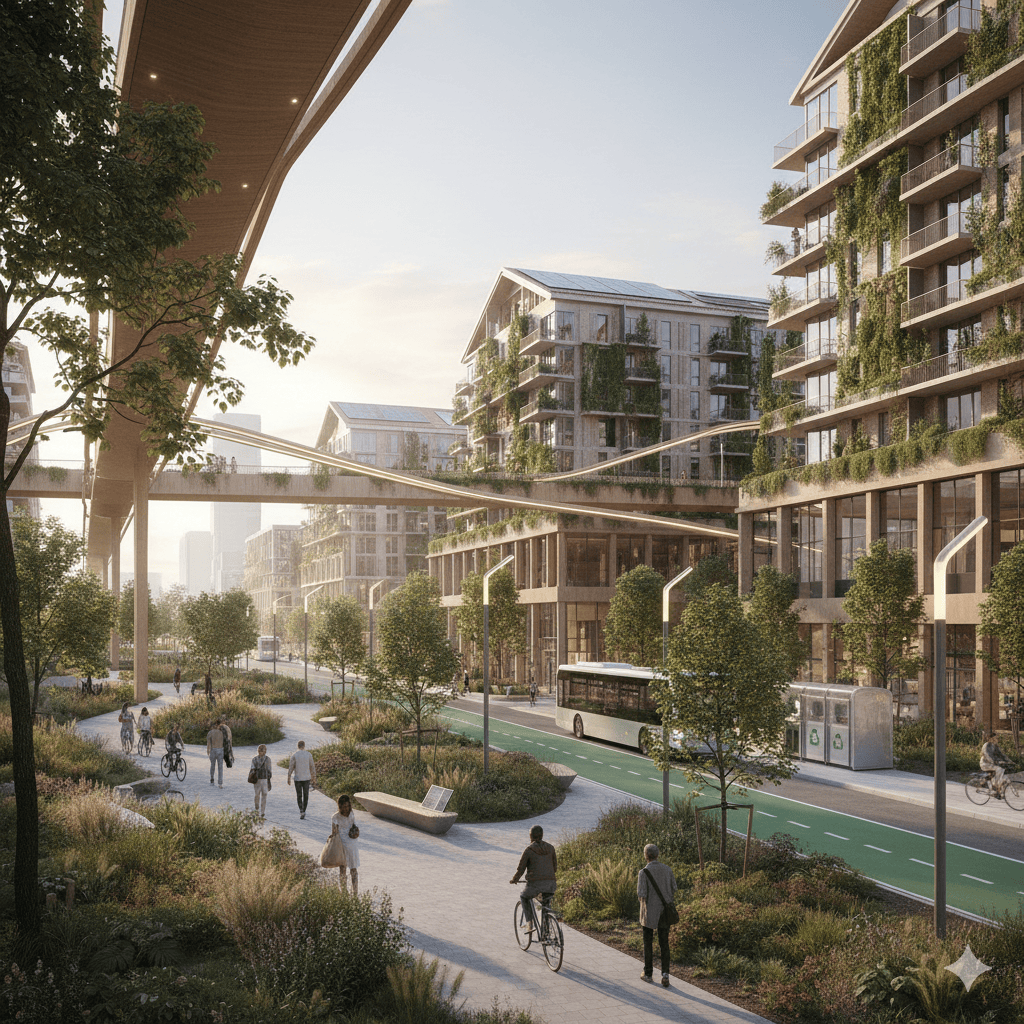
The conversion of roofs into farms brings many tangible benefits to the city. First of all, this is a significant improvement in the environment. The vegetation layer acts as a natural thermal insulation, reducing the cost of air conditioning in summer and heating in winter. Plants absorb carbon dioxide and produce oxygen, purifying the air, and effectively trap storm drains, reducing the burden on urban sewers. The social aspect is no less important. These farms are becoming centers of attraction for local communities, places for education, volunteerism and live communication. They provide citizens, especially children, with a unique opportunity to see how their food grows and reconnect with nature, which is so easy to lose in the stone jungle.
Innovative Harvest: Technologies Powering the Sky-High Fields
The success of this movement would not have been possible without modern technology. Many high-tech rooftop farms use the method of hydroponics or aeroponics, which allow plants to be grown without soil using a nutrient-rich aqueous solution. This significantly reduces the weight of the structure and water consumption – up to 90% compared to traditional farming. For optimal growth, smart drip irrigation systems, energy-efficient LED lighting with a precisely tuned spectrum, and automated monitoring of plant health indicators are used. Such technologies make urban farming not only possible, but also highly productive, allowing you to harvest fresh herbs, vegetables and even some berries all year round, regardless of the weather conditions outside.
The Future is Local: Reshaping Urban Food Systems
Ultimately, the revolution of urban roofs will transform the very concept of food security in a megacity. It creates a decentralized network of local production that minimizes the 'food mileage' — the distance that a product travels from the farm to the plate. This means that residents get access to incredibly fresh, nutritious and environmentally friendly products harvested just a few kilometers from their home. Urban farming proves that the future of agriculture may not be horizontal, but vertical.; not hundreds of kilometers away from the city, but integrated into its fabric. This movement is making cities greener, more self-sufficient and sustainable, turning roofs from a forgotten resource into a key asset for the development of cities of the future.Contact
Get in touch with Urban Lens. We'd love to hear from you about urban design, city planning, and urban lifestyle topics.