Sustainable Travel: Exploring Responsibly
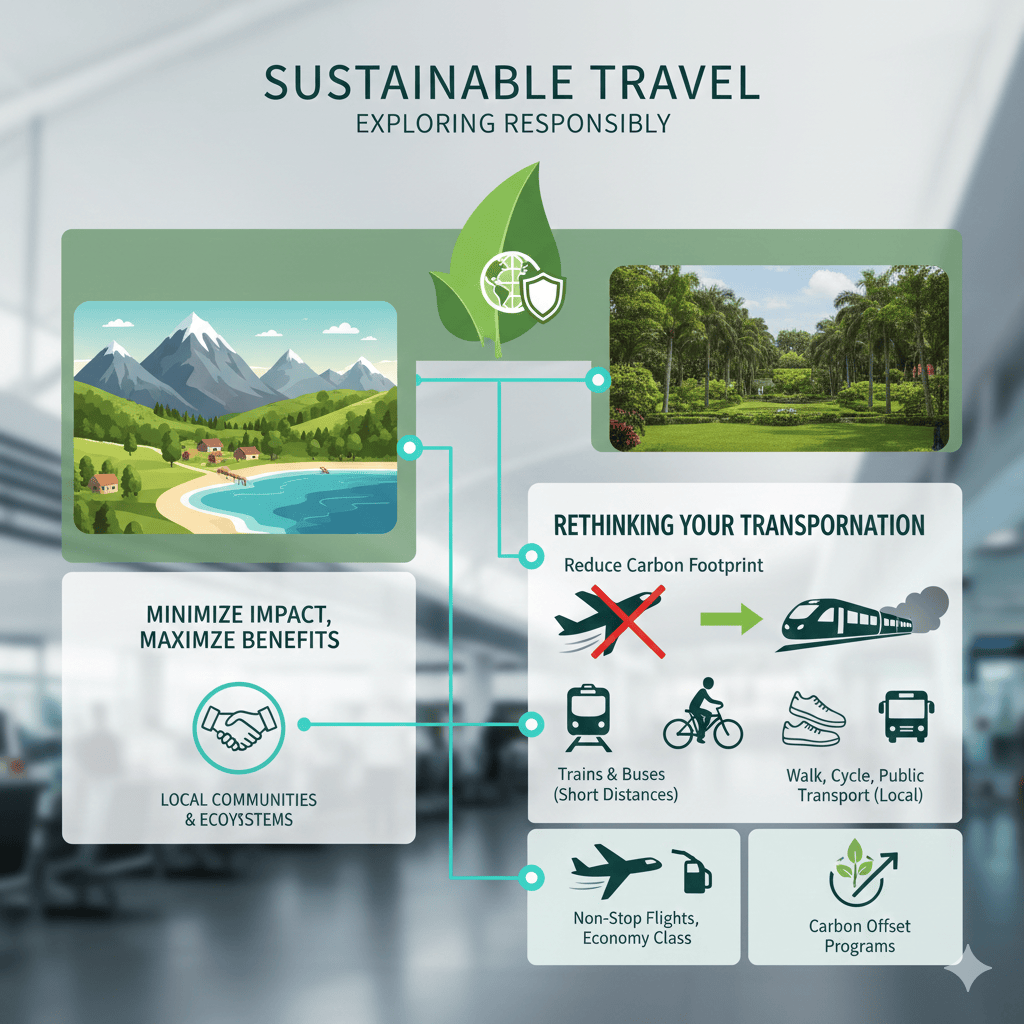
The desire to explore our beautiful planet is more powerful than ever, but so is the understanding of tourism's environmental and social footprint. Sustainable travel is the answer—a mindful approach that seeks to minimize negative impacts while maximizing benefits for local communities and ecosystems. It’s not about sacrificing experience, but about enriching your journeys through conscious choices that ensure the destinations we love remain vibrant for generations to come.
Rethinking Your Transportation
Transportation, particularly air travel, is the largest contributor to a trip's carbon footprint. While not always avoidable, you can make smarter choices. For shorter distances, prioritize trains or buses over planes. Once at your destination, embrace walking, cycling, and public transport. Not only does this significantly reduce your emissions, but it also offers a more authentic and immersive way to connect with a place. If you must fly, consider booking non-stop flights (takeoffs and landings use the most fuel), flying economy, and using a reputable carbon offset program to invest in environmental projects.
Choosing Conscious Accommodation
Where you stay matters greatly. Look for eco-certified hotels, lodges, or guesthouses that demonstrate a real commitment to sustainability. Key indicators include using renewable energy sources, implementing comprehensive water-saving and recycling systems, and sourcing food locally. Seek out accommodations that are owned by local families or cooperatives, as this ensures your money directly benefits the community. Before booking, don’t hesitate to ask about their sustainability practices; your inquiry shows that travelers value these efforts.
Supporting the Local Economy
One of the most powerful pillars of sustainable travel is ensuring your spending empowers local residents. Choose to eat at locally-owned restaurants, hire local guides who can share deep cultural insights, and purchase souvenirs directly from artisans. Avoid large international chains where profits often leave the community. By investing in local businesses, you help create jobs, preserve traditional crafts, and foster a more equitable tourism economy. Your travel experience becomes more genuine, and your positive impact is multiplied.
Respecting Culture and Environment
Being a responsible traveler goes beyond economics. Take time to learn about local customs, traditions, and basic greetings in the native language. Dress modestly where appropriate, and always ask for permission before photographing people. In natural areas, adhere to the 'Leave No Trace' principles: stay on marked trails, do not disturb wildlife, and never leave any trash behind. Avoid activities that exploit animals for entertainment; instead, support reputable sanctuaries and conservation-focused wildlife tours.
Traveling Slow and Deep
The 'slow travel' movement is a cornerstone of sustainable tourism. Instead of trying to cram multiple countries into one trip, consider spending more time in one region. This approach reduces your carbon footprint from internal travel and allows you to form a deeper connection with the local culture, people, and environment. You’ll move from being a passive observer to an engaged participant, discovering hidden gems and creating more meaningful memories that are often missed in a rushed itinerary.
Sustainable travel is a continuous journey of learning and making better choices. It’s a philosophy that recognizes our role as temporary guests on this planet. By embracing these principles, we can satisfy our wanderlust while becoming a force for good, protecting the world’s incredible diversity and supporting the communities that call it home.
Other articles

Digital Nomad Hotspots for 2025
The best cities and regions for remote workers seeking perfect balance of work, lifestyle, and adventure.

Urban Exploration: Hidden Gems in Major Cities
Discovering unique neighborhoods, local experiences, and cultural treasures beyond tourist attractions.
Contact
Get in touch with Urban Lens. We'd love to hear from you about urban design, city planning, and urban lifestyle topics.